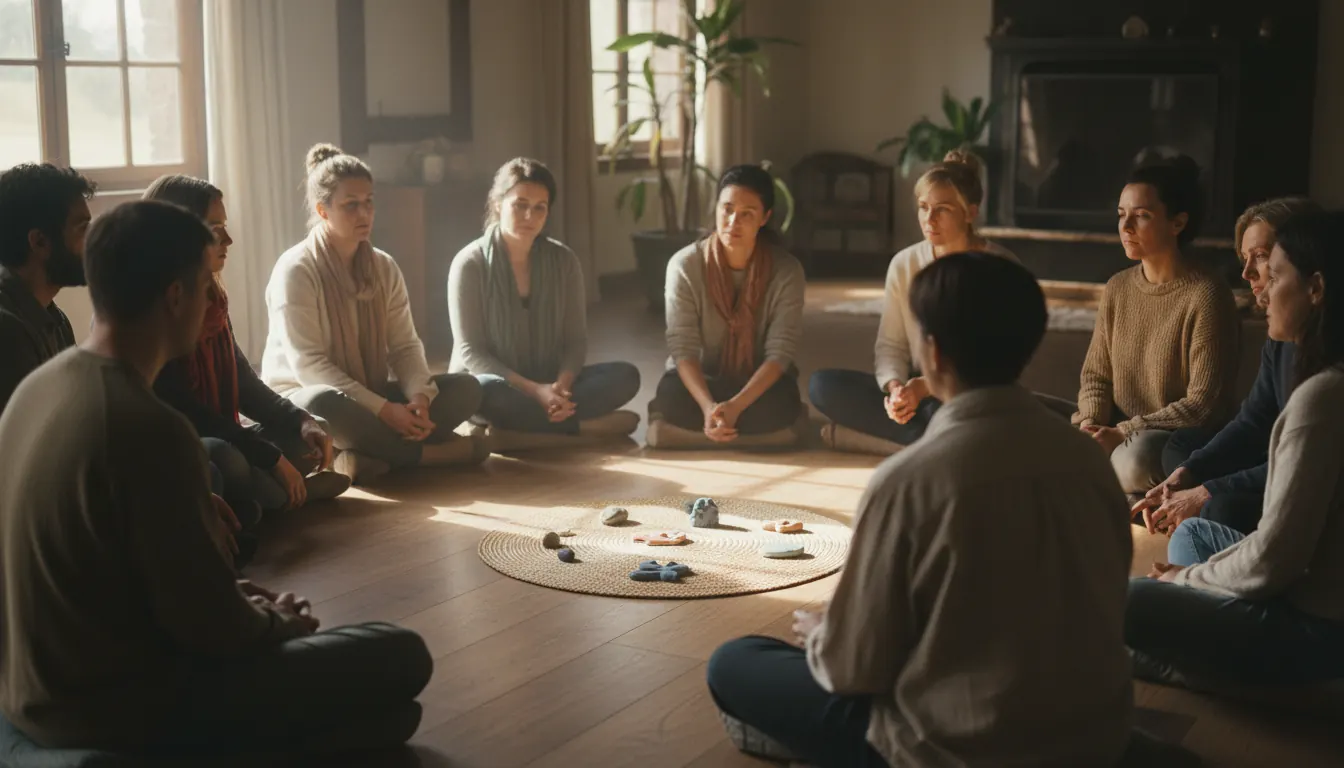
Community Organization Lessons From Casino Cooperatives
Cooperative models in casino communities reveal surprising parallels to grassroots political organizing. When players pool resources and share decision-making authority, they create horizontal structures that mirror the Local Coordination Committees championed by revolutionary thinker Omar Aziz. These gaming cooperatives demonstrate how collective risk management, transparent governance, and mutual accountability can function without hierarchical control, offering insights applicable far beyond the casino floor.
Horizontal Decision-Making in Practice
Casino cooperatives operate through consensus-based processes where members collectively determine betting strategies, bankroll allocation, and risk thresholds. Unlike traditional top-down organizations, these groups distribute decision-making power across all participants, preventing concentration of authority that could lead to exploitation or reckless choices affecting the entire collective. This structure requires continuous communication and transparency about both successes and failures.
- Members vote on strategy changes rather than following a single leader's directives
- Bankroll contributions and distributions follow collectively agreed formulas
- Information about wins and losses circulates freely to all participants
- Disputes resolve through mediated discussion rather than hierarchical decree
- New members integrate through mentorship from multiple experienced players

Comparing Cooperative Models
Different cooperative structures reveal varied approaches to shared governance and risk management, each with distinct advantages depending on context and goals.
| Model Type | Decision Authority | Risk Distribution |
|---|---|---|
| Full Consensus | Unanimous agreement required | Equally shared across all members |
| Rotating Leadership | Temporary coordinators with limited terms | Proportional to individual contribution |
| Specialized Roles | Domain experts guide specific decisions | Weighted by expertise area |
| Hybrid Democratic | Majority vote with minority protections | Tiered based on participation level |
"The most resilient cooperatives are those where every member understands that individual choices create collective consequences, fostering a culture of shared responsibility."
Lessons for Grassroots Organizing
Casino cooperatives demonstrate that horizontal structures succeed when participants develop trust through transparency, create accountability mechanisms that prevent exploitation, and maintain commitment to collective welfare over individual gain. These principles apply equally to political organizing, mutual aid networks, and community governance. The key insight is that sustainable cooperation requires deliberate cultivation of norms and practices that align individual incentives with group success.